


Laser protection is non-negotiable for anyone using Kevollaser’s laser machines. Lasers emit intense light that can harm eyes and skin. This guide explains key risks and how to implement effective laser protection.
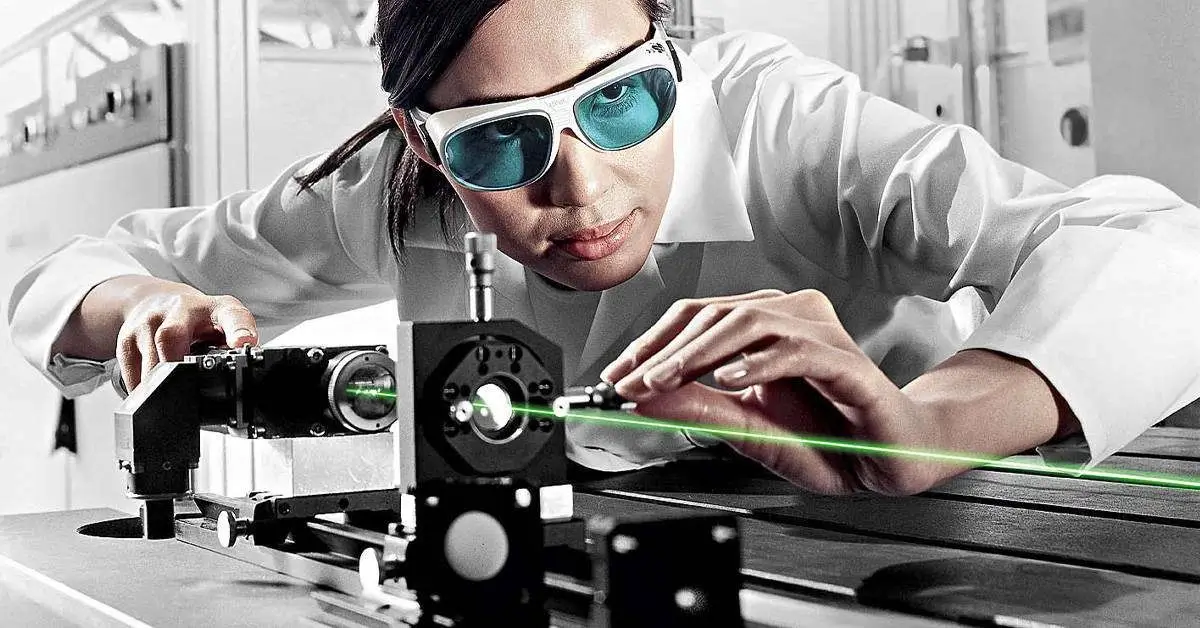
Figure 1: A Kevollaser operator using essential laser protection equipment
Most laser-related injuries affect the eyes. Solid-state lasers (common in Kevollaser machines) use 400–1400 nm wavelengths. These wavelengths pass straight through the eye to the macula.
Damage from this range is irreversible and can lead to blindness. The eye’s lens and cornea focus the laser further. This boosts power density at the retina and makes harm worse.
Other wavelengths pose risks too. Lasers below 300 nm or above 2500 nm damage the cornea or lens first. No matter the wavelength, good laser protection prevents these injuries.
Laser safety classes tell you how much laser protection you need. They range from Class 1 (low risk) to Class 4 (high risk). Ratings consider two main factors:
Eyes are more sensitive to lasers, so they get extra focus in ratings. Below is a breakdown of each class and its laser protection needs:
| Class | Wavelength Range | Laser Protection Requirements |
|---|---|---|
| Class 1 | Varies | No extra protection needed with normal use. |
| Class 1M | 302.5 nm – 4000 nm | Safe normally, but avoid using with optical tools. |
| Class 2 | 400 nm – 700 nm (visible light) | Wear basic eye protection during operation. |
| Class 2M | 400 nm – 700 nm (visible light) | Use eye protection; never focus with optical components. |
| Class 3R | 302.5 nm – 100 mm | Wear proper eye protection; don’t look directly at the laser. |
| Class 3B | 302.5 nm – 100 mm | Use specialized eye protection; only view with attenuators. |
| Class 4 | Varies | Use full laser protection (glasses, gear); train operators first. |
Laser protect glasses are mandatory in any laser work area. They block harmful wavelengths and prevent eye injuries. All valid glasses have clear labels with key info:
For example, a label like “D1060-1064nm L6 ZZ” means the glasses protect against 1060–1064nm continuous lasers. They meet EN207 Class L6 standards.
If a strong laser hits the glasses, they may smoke but won’t burn through fast. No laser passes through during this time. Step away quickly to stay safe.
Kevollaser’s fiber lasers and disk lasers have specific risk profiles. Know their classes to choose the right laser protection:
Never open the laser’s optical compartment without protection. If you might touch the laser directly, check your gear first. All operators must finish safety training before use.
Effective laser protection needs more than just glasses. Use these four measures to keep your work site safe:
Important Tip: Check your laser protection gear before each use. If glasses have scratches or cracks, replace them at once. Damaged gear can’t block lasers effectively.
Kevollaser designs its machines with safety in mind, but good laser protection starts with you. By following these guidelines, you can use laser machines effectively while staying safe. Review safety practices regularly to keep everyone on-site protected.


